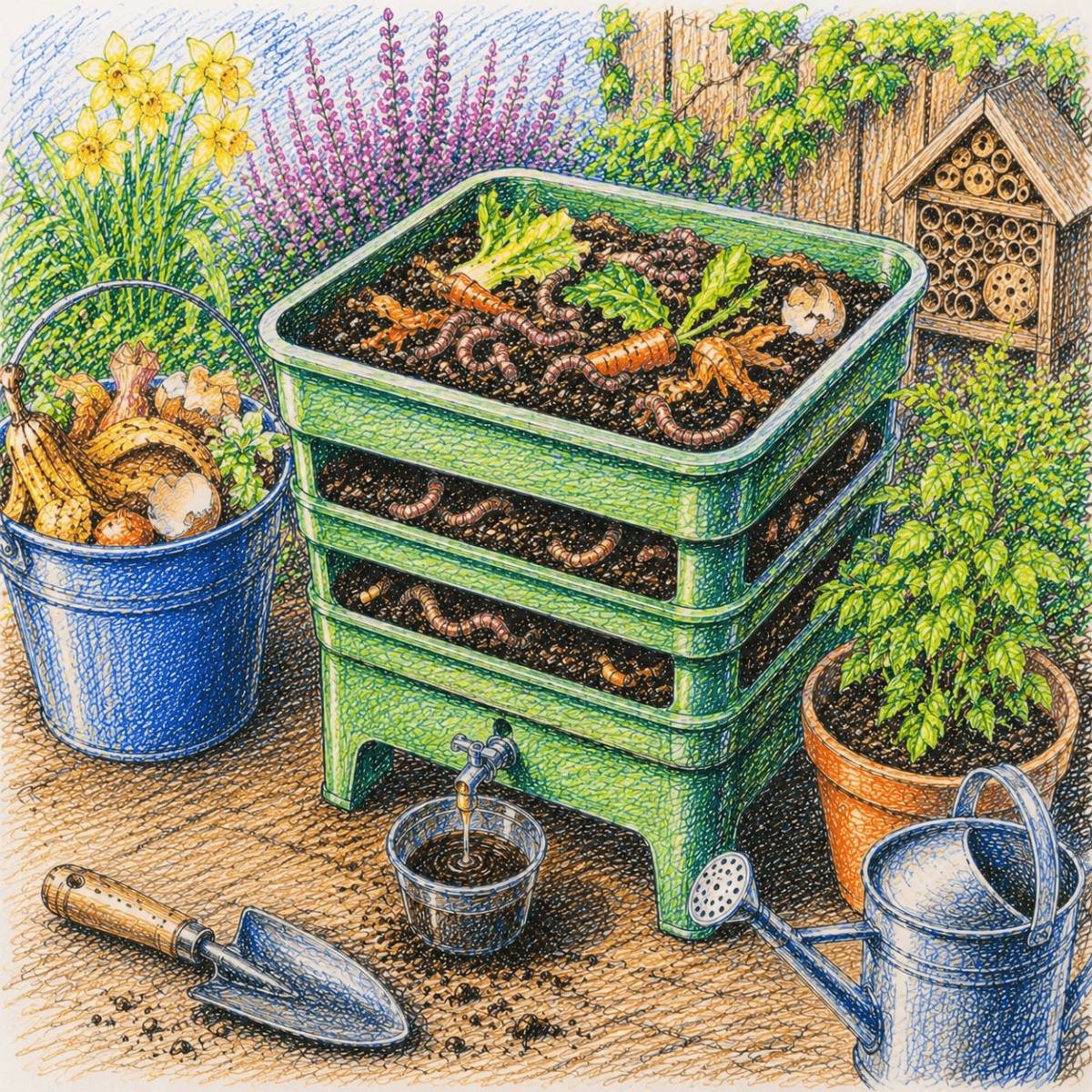
Wormeries: Turning Kitchen Waste into Garden Gold

There is something deeply satisfying about a garden that wastes nothing.

Vegetable peelings become compost. Fallen leaves enrich the soil. Prunings return nutrients to the borders they once grew in. Nature, after all, has been recycling organic matter for millions of years, creating fertile ecosystems where very little is ever thrown away.

A wormery brings that same principle into our own gardens and homes. Compact, efficient and surprisingly fascinating, it harnesses the natural appetite of composting worms to transform everyday kitchen scraps into nutrient-rich compost and liquid feed. What might otherwise end up in a landfill becomes a valuable resource, helping plants flourish while reducing household waste.

For gardeners seeking a more sustainable way to grow, a wormery offers a simple yet rewarding solution.

What Is a Wormery?

A wormery is a specially designed composting system that uses composting worms, most commonly tiger worms (Eisenia fetida) or red wigglers, to break down organic waste.

Unlike traditional compost heaps, which rely on a combination of microorganisms, air and time, wormeries accelerate the decomposition process through the constant activity of thousands of hungry worms. As they consume fruit and vegetable peelings, coffee grounds, tea leaves and cardboard, they convert these materials into nutrient-dense worm castings and a liquid fertiliser often known as worm tea.

The result is a remarkably efficient composting system that requires very little space, making it ideal for small gardens, patios, courtyards and even balconies.

Far from being unpleasant or unsightly, a well-managed wormery is neat, odour-free and surprisingly easy to maintain.

Nature’s Master Recyclers

Spend a few moments observing earthworms in the garden and it soon becomes clear why they are often called nature’s gardeners.

For centuries, worms have quietly worked beneath our feet, aerating soil, recycling organic matter and helping create the rich, crumbly conditions that plants love. Even Charles Darwin devoted years to studying their remarkable abilities, describing them as one of the most important creatures in the natural world.

A wormery simply brings this hidden process into focus.

Within the trays, worms tirelessly break down waste that would otherwise be discarded. Every banana skin, lettuce leaf and spent tea bag becomes part of a natural cycle, returning nutrients back to the soil rather than being lost.

It’s a small system with a surprisingly large impact.

Why Choose a Wormery?

Reducing Household Waste

Food waste remains one of the largest contributors to household rubbish. A significant proportion of what we throw away is organic material that can be composted rather than sent to landfill.

When food waste decomposes in landfill sites, it often does so without sufficient oxygen, producing methane—a greenhouse gas considerably more potent than carbon dioxide.

By diverting kitchen scraps into a wormery, gardeners can reduce waste while creating something genuinely useful.

It’s a practical step towards a more sustainable lifestyle and one that benefits both the environment and the garden.

Producing Nutrient-Rich Compost

Gardeners often refer to worm compost as “black gold”—and for good reason.

Worm castings contain a wealth of nutrients, beneficial microorganisms and organic matter that help improve soil health. Unlike many fertilisers, they release nutrients gradually, feeding plants over time while improving soil structure.

Mixed into containers, vegetable beds or ornamental borders, worm compost helps create healthier growing conditions, encouraging stronger root systems and more resilient plants.

Creating Liquid Feed Naturally

One of the hidden advantages of a wormery is the nutrient-rich liquid that collects at the base of many systems.

When diluted with water, this liquid can be used as a natural fertiliser for flowers, vegetables and container plants. It’s an excellent way to provide additional nutrients during the growing season without relying on synthetic products.

Perfect for Smaller Gardens

Not every gardener has room for a large compost heap.

A wormery occupies only a small footprint and can be positioned in a sheltered corner of the garden, on a patio or beside a shed. This makes it particularly appealing for urban gardeners who want to compost but have limited space.

Setting Up a Wormery

Getting started is remarkably straightforward.

Choose a wormery that suits the amount of waste your household produces. Multi-tier systems are particularly popular because they allow worms to move naturally through the trays as they process organic matter.

Begin by creating comfortable bedding using damp shredded newspaper, cardboard or coir. This provides a welcoming environment where the worms can settle and begin their work.

Once introduced, the worms need only a modest amount of food while they establish themselves. Gradually increasing the quantity of kitchen scraps allows the colony to grow and adapt.

Like any thriving ecosystem, balance is key.

Feeding Your Worms

Composting worms are not particularly fussy, but they do have preferences.

Fruit and vegetable peelings, coffee grounds, tea leaves, crushed eggshells and small amounts of cardboard all make excellent additions. These materials break down readily and provide the worms with a varied diet.

Certain items are best avoided. Meat, dairy products and oily foods can attract unwanted pests, while excessive amounts of citrus may create conditions that are too acidic.

A good rule is to think of your wormery as an extension of the garden ecosystem—feed it natural, plant-based materials and it will reward you generously.

Keeping Your Wormery Healthy

Successful wormeries require surprisingly little attention.

The contents should feel similar to a wrung-out sponge—moist but not waterlogged. If conditions become too wet, adding shredded cardboard or newspaper helps absorb excess moisture. If the bedding appears dry, a light sprinkle of water is usually sufficient.

A healthy wormery should have an earthy smell reminiscent of woodland soil. Any unpleasant odours often indicate overfeeding or poor airflow, both of which are easily corrected.

Regular observation soon becomes part of the pleasure. Over time, you’ll learn to recognise the signs of a thriving worm population and develop a deeper understanding of the composting process.

Harvesting the Rewards

After several months, the worms will have transformed much of the original material into dark, crumbly compost.

This can be incorporated into borders, mixed into potting compost or used to enrich vegetable beds. The liquid feed collected from the system can also be diluted and applied to plants throughout the growing season.

Many gardeners notice healthier growth, improved soil texture and stronger flowering after incorporating worm compost into their gardening routine.

The transformation feels almost magical—but it’s simply nature doing what it does best.

More Than Composting

Perhaps the greatest appeal of a wormery lies not only in the compost it produces but in what it teaches us.

It reveals the hidden connections between kitchen, garden and wildlife. It reminds us that waste can become a resource and that even the smallest creatures play an essential role in maintaining healthy ecosystems.

For children, it offers a fascinating introduction to decomposition and soil health. For adults, it provides a practical way to garden more sustainably while producing valuable compost.

Most of all, it encourages us to work alongside nature rather than against it.

A Small Change with Lasting Benefits

A wormery may seem like a modest addition to the garden, yet its impact can be remarkable.

Every handful of compost represents food waste diverted from landfill. Every thriving plant reflects nutrients returned to the soil. And every worm quietly contributes to a cycle that has sustained natural landscapes for centuries.

Whether you have a large garden, a small courtyard or simply a desire to live more sustainably, a wormery offers an elegant way to turn everyday waste into something valuable.

In doing so, it transforms not only your composting habits, but your understanding of the remarkable natural processes unfolding beneath the surface of the soil.

Further Reading: How to Make Your Own Liquid Fertiliser from Comfrey, How to Start Composting at Home, How to Discover Your Soil Type (And Why It Matters)

Inspiration: Follow Us on InstagramThreads, BlueSkyTwitterTikTok and Pinterest.

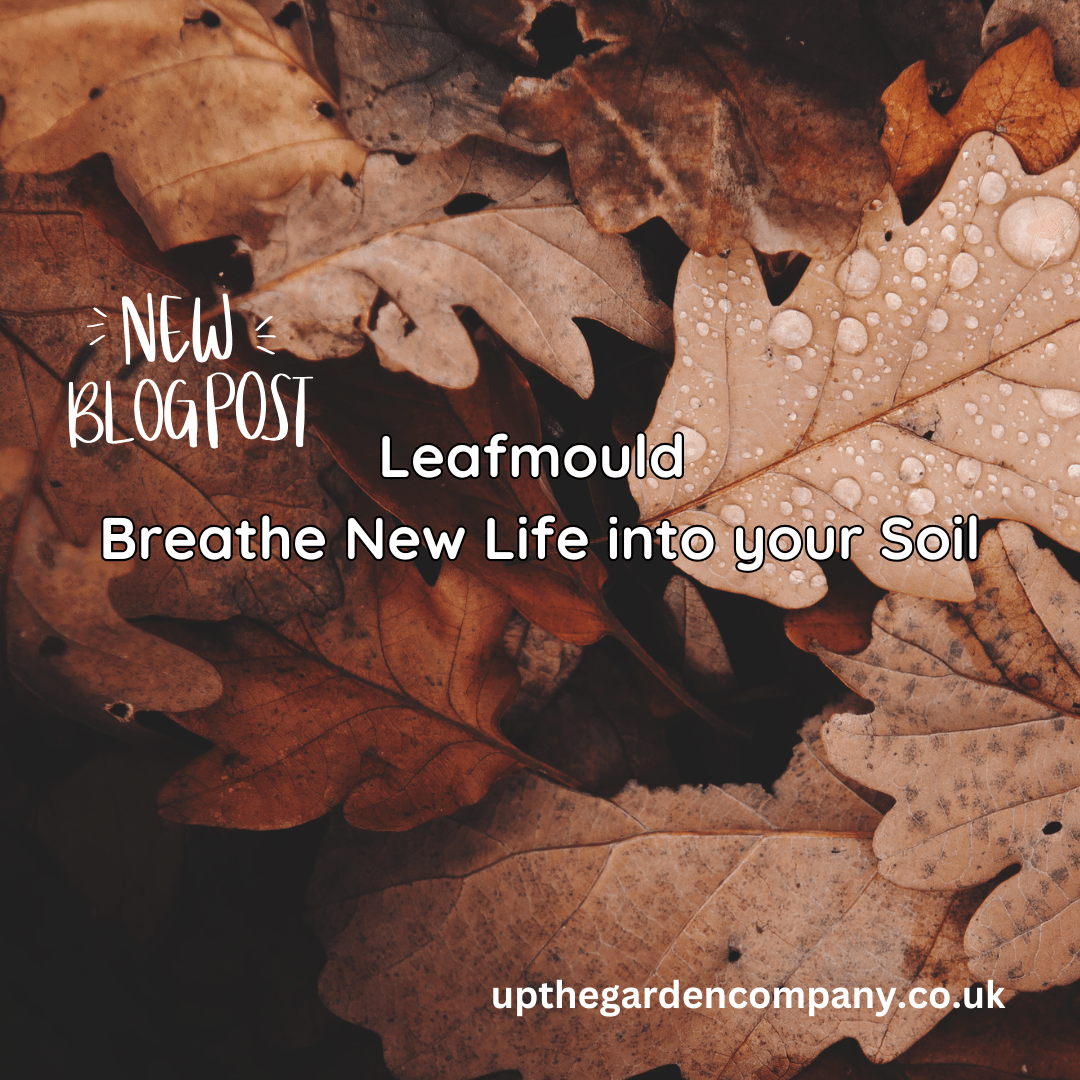
Leafmould – Breathe New Life into your Soil

When gardeners talk about black gold, they’re not referring to oil—they’re talking about compost. But there’s another gardening treasure that deserves equal adoration in the realm of organic matter: leafmould. A natural, nutrient-rich material created from decomposed leaves, leafmould is a fantastic addition to any gardener’s arsenal.

What is Leafmould?

Leafmould is the result of leaves breaking down over time into a rich, crumbly, dark material. Unlike traditional compost, which requires nitrogen-rich materials (like food scraps) to decompose, leafmould is a slow and fungal-driven process that relies solely on leaves. This means it’s easy to make and perfect if you’re looking for minimal effort gardening.

It’s essentially nature’s way of recycling; you’ll often find it naturally occurring on the forest floor where fallen leaves decay to create a soft, fertile blanket that sustains plant life. When introduced into a garden, leafmould can mimic those conditions and breathe new life into your soil.

It’s worth noting, however, that not all leaves are created equal when it comes to making leafmould. Thick, waxy leaves such as holly and magnolia can take longer to decompose. Similarly, evergreen needles like those from pine trees are highly acidic and need extra care when incorporating into your garden.

The Benefits of Using Leafmould 

Why should you add leafmould to your gardening routine? Because it’s a multitasker of the highest order! Here’s how it can benefit your garden and the wider environment:

1. Improves Soil Structure

Leafmould acts as an excellent soil conditioner, opening up heavy clay soils to improve drainage and helping light sandy soils retain more moisture. This not only boosts your plants’ health but also saves you time and effort in watering and tending to your garden.

2. Enhances Water Retention

For gardeners in areas with dry spells, adding leafmould to your soil can increase its water retention capabilities. It’s been found that soil amended with leafmould can hold 50% more water. That’s a huge win for thirsty plants and helps to reduce water usage significantly.

3. Adds Organic Matter

When you use leafmould as mulch or dig it into your soil, you’re adding valuable organic matter that your plants love. While it’s not as nutrient-packed as compost, it’s a fantastic habitat for beneficial microorganisms that improve soil fertility over time.

4. Great for Mulching

Leafmould works wonders as a natural mulch. Spread it around your plants to suppress weeds, even out soil temperatures, and maintain a moist environment for root development. Plus, it looks neat and tidy, giving your garden an aesthetic boost!

5. Environmentally Friendly

By repurposing the leaves already in your garden and your neighbourhood, you reduce the need to send green waste to landfill. This helps to minimise methane emissions from decomposing organic matter in landfills, making leafmould a sustainable option for eco-conscious gardeners.

6. Boosts Seed Germination

Because leafmould is light and crumbly when mature, it’s perfect for creating seed-sowing compost. It maintains the right moisture balance needed for new seedlings to grow strong and healthy.

How to Make Leafmould 

The beauty of leafmould is that it’s incredibly simple—and free!—to make. All you need are leaves, time, and a little patience. Follow these steps to start your own leafmould pile:

Step 1: Gather Leaves

Simply collect as many fallen leaves as you can. Avoid leaves that are diseased or contaminated with chemicals, as these can harm your garden. A layer of mixed leaves works well—oak, beech, and hornbeam are particularly good.

Top tip: Shredding or running leaves over with a lawn mower can help speed up the decomposition process by increasing the surface area.

Step 2: Choose a Method

You don’t need fancy equipment to make leafmould. Here are two simple methods:

Pile Method: Create a dedicated pile in a corner of your garden, preferably in a sheltered area to protect it from excessive rain or direct sunlight.

Bag Method: Fill large bin bags with leaves, moisten them slightly with water, and seal them with air holes punched in the bags for ventilation.

Step 3: Moisture is Key

For decomposition to get underway, your leaves need a bit of moisture. Dry leaves take much longer to break down, so keep the pile or bags damp—like a wrung-out sponge.

Step 4: Be Patient

Leafmould doesn’t happen overnight. Depending on the types of leaves and your climate, it can take anywhere from six months to two years for your leafmould to fully mature. Checking occasionally and turning the pile once or twice during this time can speed things up.

Step 5: Check for Readiness

Your leafmould will be ready to use when it’s dark, crumbly and has a pleasant, earthy smell. It should look like rich forest soil.

Step 6: Put it to Good Use

Use your leafmould as mulch around flower beds, mix it into your soil or add it to pots and containers to give your plants a nutrient boost. It’s also fantastic for creating your own seed compost!

Bring Life to Your Garden With Leafmould 

With its many benefits, ease of making and environmentally friendly approach, leafmould is a must-try for gardeners, environmentalists and nature lovers alike. It’s time to stop seeing fallen leaves as waste and start recognising them as a valuable resource for nourishing your garden naturally.

If this guide has inspired you to give leafmould a go, why not start today? All you need are some leaves, a bit of space, and some time—nature will take care of the rest.

And remember, gardening is as much about the process as it is about the results. Enjoy getting your hands dirty and watching your garden thrive with the help of this rich, soil-loving magic.

Further Reading: RHS Leafmould, Composting

How to Start Composting at Home

What is Composting?

The Basics of Composting

Composting is the natural process of recycling organic matter—such as leaves and food scraps—into valuable soil amendments. This process involves the decomposition of organic materials by micro-organisms in a controlled environment, resulting in nutrient-rich compost. By composting at home, you not only reduce waste but also contribute to a healthier environment.

Benefits of Composting

The benefits of composting are plentiful. It helps reduce the amount of waste sent to landfills, decreases greenhouse gas emissions and cuts down on the need for chemical fertilisers. Additionally, compost improves soil structure, enhances water retention and provides essential nutrients for plants. For those invested in sustainable living, composting is a practical and impactful way to make a difference.

Types of Composting

There are several types of composting methods to choose from, including traditional compost heaps, compost bins and vermicomposting (using worms). Each method offers unique benefits and can be tailored to your specific needs and space. Understanding the different types will help you decide which composting approach is right for you.

What Can You Compost?

Acceptable Materials

When it comes to composting, not all materials are created equal. Suitable compostable items include fruit and vegetable scraps, coffee grounds, eggshells, grass clippings, leaves and small branches. These materials are rich in carbon and nitrogen, the essential elements for a successful compost pile.

Avoid These Items

It’s crucial to avoid composting certain items that can attract pests or disrupt the composting process. Steer clear of meat, dairy products, oils and pet waste. These materials can cause odours, attract rodents and introduce harmful pathogens to your compost.

Balancing Greens and Browns

For a thriving compost pile, it’s essential to balance ‘greens’ (nitrogen-rich materials) and ‘browns’ (carbon-rich materials). Greens include food scraps, coffee grounds and fresh grass clippings, while browns consist of dried leaves, straw and paper. A good rule of thumb is to have a ratio of 2-3 parts browns to 1 part greens. This balance ensures optimal decomposition and prevents unpleasant odours.

How to Compost Successfully

Setting Up Your Compost Pile

Choosing the right location for your compost pile is key. Find a spot in your garden that is convenient yet out of direct sunlight. Begin by laying a foundation of coarse materials such as twigs or straw to promote airflow at the base of the pile. Layer greens and browns, adding water to keep the pile moist but not soggy.

Turning and Maintaining

Regularly turning your compost pile aerates the mixture, helping to speed up the decomposition process. Aim to turn your pile every 1-2 weeks, ensuring that the materials are evenly mixed and oxygenated. Keep an eye on the moisture level, as a pile that’s too dry or too wet can hinder decomposition.

Troubleshooting Common Issues

Even the best compost piles can run into issues. If your pile has a foul smell, it may be too wet or contain inappropriate materials. Add more browns and turn the pile to improve aeration. If the compost isn’t breaking down, it could be too dry or lack nitrogen. Add water and greens to kickstart the process again.

How to Make a Composter

DIY Compost Bin

Building your own compost bin can be an affordable and fulfilling project. Start with a basic wooden or wire frame structure, ensuring it has good ventilation. You can also repurpose old pallets or mesh fencing. The bin should be large enough to accommodate your waste but compact enough to maintain heat.

Vermicomposting Setup

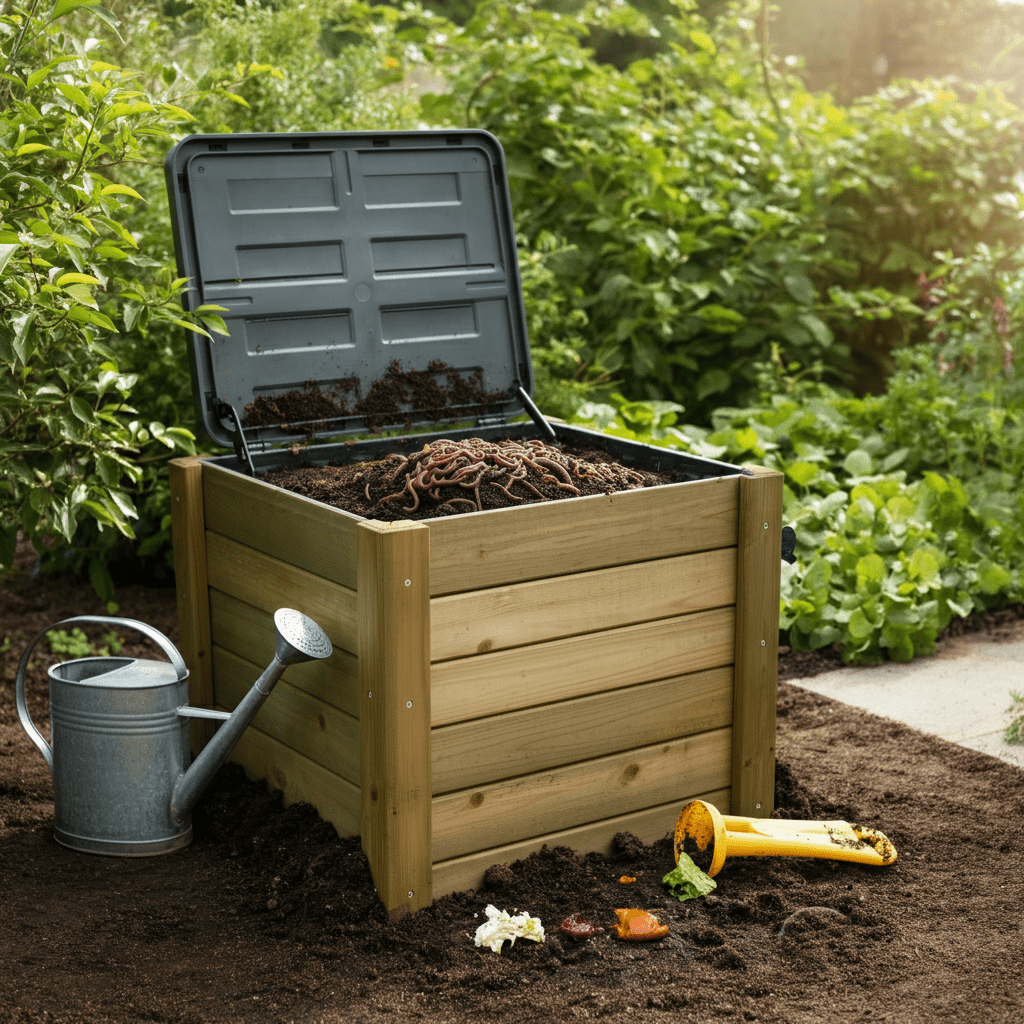
Vermicomposting is an excellent option for those with limited space. Using a bin with bedding materials like shredded newspaper, add red worms and food scraps. The worms break down the organic matter, producing rich compost known as worm castings. This method is perfect for apartments or urban settings.

Tumbler Composters

A tumbler composter is a convenient and efficient option for smaller gardens. These bins are designed to be rotated, making it easy to aerate the compost. Tumblers are available in various sizes and are ideal for those who want a low-maintenance composting solution.

What to Consider if You Buy a Composter

Size and Capacity

When purchasing a composter, consider the size and capacity that will best suit your needs. If you have a large garden and generate a significant amount of waste, opt for a larger composter. Conversely, a smaller bin or tumbler might be sufficient for urban dwellers.

Material and Durability

Choose a composter made from durable, weather-resistant materials such as plastic, metal, or treated wood. This ensures that your composter will withstand the elements and last for years. Additionally, look for features like sturdy lids and secure locking mechanisms to keep pests out.

Ease of Use and Maintenance

Select a composter that is easy to use and maintain. Tumblers are generally low-maintenance, while traditional bins may require more effort to turn and manage. Consider how often you’ll be adding materials, and whether the composter design facilitates easy access and turning.

How to Get Heat into Your Composter

Importance of Heat

Heat is a critical factor in speeding up the composting process. A hot compost pile decomposes materials more quickly and efficiently, producing rich compost in a shorter time. Maintaining the right temperature is key to successful composting.

Insulating Your Pile

To retain heat, insulate your compost pile by covering it with a tarp or using straw bales around the edges. This helps to trap heat and maintain a consistent temperature. During colder months, consider moving your compost bin to a sunnier location to absorb more warmth.

Adding Hot Materials

Incorporate hot materials such as fresh grass clippings and manure to boost the temperature of your compost pile. These materials are rich in nitrogen and generate heat as they decompose. Layering these with your other compost materials can help kickstart the heating process.

How to Use the Compost You Have Made

Harvesting Your Compost

Once your compost has turned into a dark, crumbly substance with an earthy smell, it’s ready to use. Sift through the compost to remove any larger, undecomposed materials. These can be returned to the pile for further decomposition.

Enriching Garden Soil

Use your finished compost to enrich garden soil by mixing it into planting beds, containers, or around the base of trees and shrubs. Compost improves soil structure, enhances water retention, and provides essential nutrients for plant growth.

Mulching and Top Dressing

Compost can also be used as mulch or top dressing. Spread a layer of compost around your plants to suppress weeds, retain moisture, and add nutrients to the soil. This method helps maintain a healthy garden ecosystem and promotes robust plant growth.

Starting a compost pile at home is a rewarding way to reduce waste, enrich your garden soil, and contribute to a healthier environment. By understanding what materials to compost, how to set up and maintain your pile and the benefits of using finished compost, you’ll be well on your way to becoming a composting pro.

Further Reading: Transforming your Compost into Potting Mix, Wormery Composting

Follow Us On Instagram for Daily Gardening Inspiration

Celebrate International Composting Week

Composting Week: Nature’s Climate Champion

Composting is a simple yet powerful way to reduce waste, enrich soil, and combat climate change. International Composting Week, which takes place from the 6th to the 11th of May, aims to raise awareness of the benefits of composting and encourage people all over the world to embrace this eco-friendly practice. This year’s theme, ‘Nature’s Climate Champion’, highlights the role of composting in mitigating climate change and promoting sustainability.

The Importance of International Composting Week

International Composting Week shines a spotlight on the critical role of composting in addressing environmental concerns and fostering a culture of sustainability. It serves as a pivotal moment each year to remind us of the simple, yet impactful steps we can take to contribute positively to our planet’s health. By engaging communities and individuals worldwide, this week emphasises the significant benefits derived from composting, such as reducing landfill waste, enhancing soil quality, and supporting ecosystems. It is an opportunity for learning, sharing experiences, and committing to actions that align with preserving the environment for future generations. Through educational events, workshops, and community initiatives, International Composting Week propels the message that everyone has a part to play in environmental stewardship. It encourages a global dialogue on sustainable practices, uniting people across different regions with a common goal to mitigate the adverse effects of climate change and promote a greener, more resilient world.

Composting as a Climate Change Combatant

Composting stands at the forefront of eco-friendly practices with a direct impact on reducing the carbon footprint. The decomposition of organic waste in landfills generates methane, a greenhouse gas far more potent than carbon dioxide, exacerbating the greenhouse effect and accelerating climate change. Through the process of composting, organic materials are converted into a valuable resource for the soil, diverting waste from landfills and consequently cutting down on methane production. This not only contributes to soil health by improving its structure, fertility, and moisture retention but also plays a vital role in carbon sequestration. By integrating organic matter into the earth, composting aids in capturing carbon dioxide from the atmosphere, locking it into the soil. This natural process of carbon storage can significantly counterbalance the emission of greenhouse gases, underscoring composting’s efficacy as a natural ally in the fight against climate change. Embracing composting practices embodies a proactive step towards a sustainable future, leveraging nature’s own mechanisms to forge a path towards a balanced ecosystem.

How to Get Involved in Composting

Embarking on your composting journey is straightforward and accessible, regardless of your living situation. For those with outdoor space, consider setting up a compost bin or tumbler in your garden, an efficient way to recycle kitchen and garden waste into valuable compost. For individuals with limited space, such as flats, vermicomposting, which involves using worms to break down organic waste, offers a compact, odourless method suitable for indoor use. Begin by segregating your organic waste – including vegetable peelings, coffee grounds, and paper products – from your general waste. This small act can significantly contribute to reducing landfill reliance. Additionally, local community gardens often welcome organic waste contributions for their composting efforts, providing an alternative for those unable to compost at home. Engaging with community schemes not only amplifies the impact of your efforts but also connects you with like-minded individuals, passionate about sustainability. By selecting a method that aligns with your circumstances and participating in wider community practices, you can contribute to a substantial environmental difference through composting.

Global Initiatives and Success Stories

Across the globe, innovative composting initiatives are leading the way towards a greener future. In cities such as San Francisco and Toronto, comprehensive organic waste programmes have significantly reduced landfill waste by diverting it to city-wide composting facilities. These efforts not only reduce greenhouse gas emissions but also supply local farmers with nutrient-rich compost, closing the loop on food waste. In countries like India, grassroots movements have empowered communities to manage organic waste through decentralised composting, transforming neighbourhoods and creating sustainable urban ecosystems. Schools and universities are also joining the cause, embedding composting into their sustainability curriculums and operations, fostering a culture of environmental responsibility among students. These success stories illustrate the scalable impact of composting, from local community gardens to national programmes, demonstrating how collective action can pave the path towards sustainability. By highlighting these achievements, we aim to inspire further participation in composting initiatives, showcasing the tangible benefits of turning organic waste into a resource rather than a burden.

Resources and Getting Started

Kicking off your composting journey is both exciting and impactful, and there’s a wealth of support out there to help you begin. Your local authority is a great starting point; many provide free compost bins and detailed guides tailored to your area’s specific needs. Environmental charities and community groups frequently host workshops and events, particularly around International Composting Week, offering hands-on experience and expert advice.

The digital realm is bustling with resources, too. From in-depth composting tutorials on YouTube to vibrant online forums where enthusiasts share tips and troubleshoot together, you’ll find a community ready to welcome newcomers with open arms. Websites dedicated to sustainability often feature articles and downloadable guides that cover the A to Z of composting, from selecting the right bin to understanding the balance of greens and browns in your pile.

Should you prefer a more structured approach, several online courses are available, ranging from brief introductions to comprehensive programmes on organic waste management. These can provide a more formal grounding in the principles of composting, often with the bonus of direct support from the course providers. Remember, embarking on composting is not just about waste reduction—it’s about joining a global movement towards a more sustainable future. Whether you start small with a countertop bin or aim to involve your wider community, every action counts. As you prepare to take these steps, keep in mind that the journey is as rewarding as the destination, filled with learning, growth, and the satisfaction of contributing to environmental preservation

Further Reading: International Composting Week, Transforming your compost into potting mix, Home Composting: Wormery, What is Composting, How to Manage a successful Compost Heap

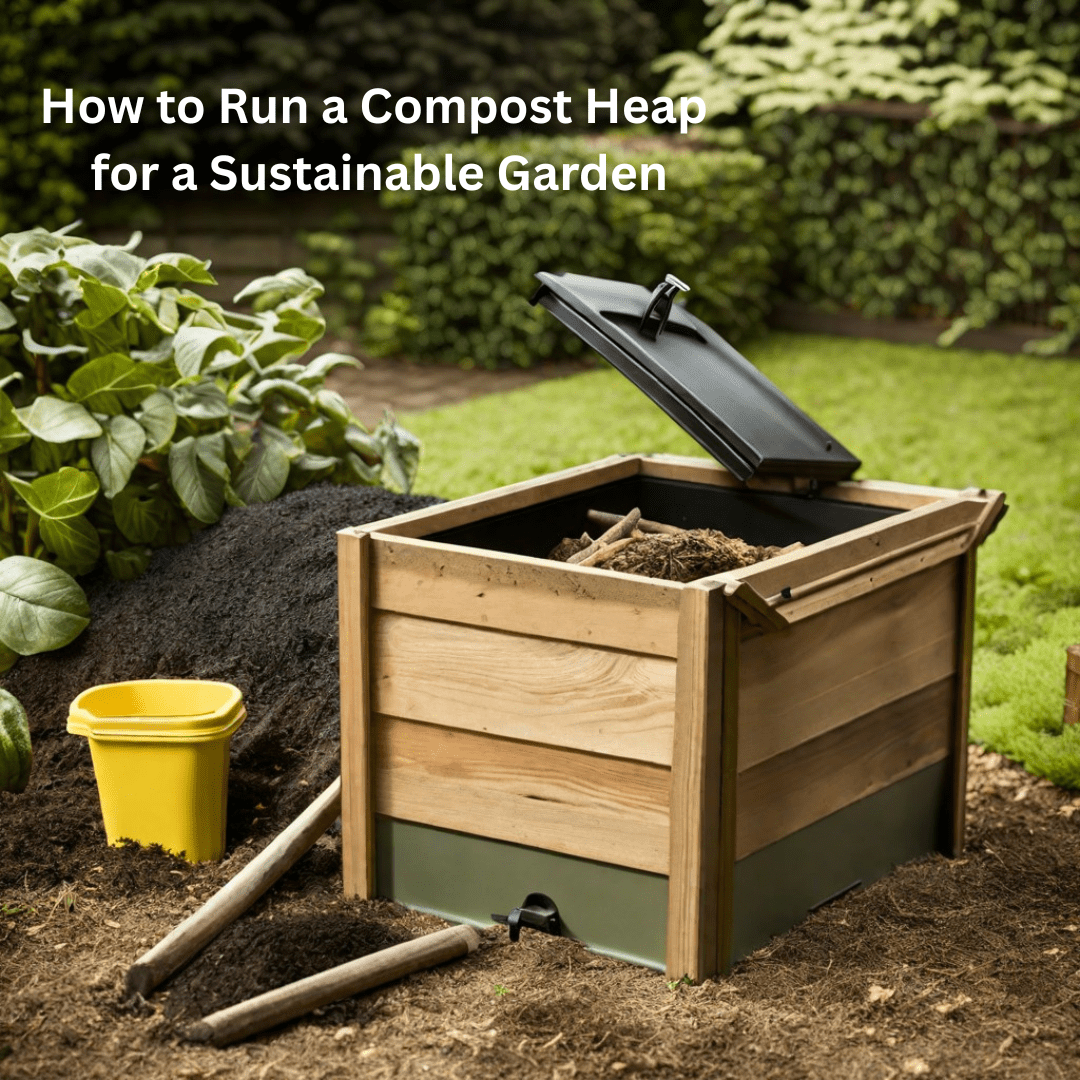
How to Run a Compost Heap for a Sustainable Garden

Composting is a great way of turning garden waste into organic fertilisers. The process converts garden waste, kitchen scraps, and other biodegradable materials into nutrient-rich compost that is perfect for improving soil health and increasing plant growth. With the help of a compost heap, you can reduce the amount of kitchen and garden waste ending up in landfills. In this blog post, we will share some tips and best practices on how to run an effective compost heap that will benefit your garden and the environment.

Select the Right Location

The first and foremost step in running an effective compost heap is to select the right location. A compost bin can be placed anywhere that is convenient, but it should be in direct contact with the soil. It is important to choose an area that receives a decent amount of sunlight and shade. Too much sun and heat can dry out the compost, and too much shade can slow down the decomposition process.

Start with the Right Ingredients

The success of a compost heap depends on choosing the right ingredients. Composting involves layering dry, brown materials such as leaves, straw, and cardboard with green, wet materials like fruit scraps, vegetable peels, and grass clippings. Avoid adding meat, bones, dairy products, and pet waste, as they can attract pests and emit unpleasant odours. You can accelerate the decomposition process by adding compost accelerator or nitrogen-rich manure to your heap.

Monitor and Maintain Moisture

To create healthy compost, it is important to maintain the right moisture levels. The compost heap should be kept moist, but not wet. If it dries out, add a little water, and if it becomes too wet, add some dry materials. You should also turn the compost every few weeks to promote air circulation, break down clumps, and discourage pests and flies from settling in.

Be Patient and Persistent

Composting is a slow process, and it can take several months to a year for the compost to mature into a dark, earthy substance. However, with patience and persistence, you will soon be rewarded with nutrient-rich compost that is ideal for feeding your garden beds, potted plants, and vegetable patches. Remember: the more you nurture your compost heap, the better your garden will grow, and the healthier the environment will be.

Make the Most of Your Compost

Once your compost is mature, you can use it to enrich your soil, boost plant growth, and reduce the need for synthetic fertilizers and pesticides. Spread a layer of compost over your garden beds, mix it with potting soil for containers, or add it to your vegetable patches. You can also use it as a natural mulch to retain moisture, suppress weeds, and regulate the soil temperature.

Running an effective compost heap is one of the best ways to reduce waste, improve soil health, and cultivate a sustainable garden. By following these tips and best practices, you can create nutrient-rich compost that will benefit your garden and the environment. With the right location, ingredients, moisture, patience, and persistence, your compost heap will soon become a thriving ecosystem of organic matter that will nourish your plants and benefit the planet. Happy composting!

Further reading: Compost WormeryWhat is CompostingHomemade Garden Fertilisers